
Education
Hydroxy Acids vs. Retinol
Learn with SkinBoss
Retinol is a vitamin A derivative that works by increasing cell turnover and stimulating collagen production, which can reduce wrinkles, refine pores, and even out skin tone. Retinol has also been shown to improve acne conditions.
Alpha hydroxy acids (AHAs) are chemical exfoliants that work by dissolving the bonds that hold skin cells together, encouraging surface skin cells to slough off and allowing new ones to take their place for a brighter, smoother skin tone. They can also reduce the appearance of wrinkles and fine lines and improve skin texture.
Considering the category of Retinols vs. hydroxy acids, many of the benefits overlap, such as the positive effect on collagen production and thickening dermal tissue, improving discoloration, antagonizing acne formation, and increasing hydrating components of the skin.
So the question arises, of why we need both?
Firstly, assuming that both hydroxy acid and retinol are absolutely necessary for all people is not an accurate conclusion, based on age, skin condition and skin concern. Hydroxy acids might be of use without adding retinol, to a teen struggling with a milder form of acne. But when considering the concerns of aging skin, anyone using a retinol for this reason would benefit from the dual effect of combining hydroxy acids. The range of specific AHA’s allow for addressing skin concerns more specifically by their individual specialties (lactic for brightening, salicylic for clarity, glycolic for signs of aging, etc.).
There is not a clear separation as to what degree each (retinol and hydroxy acids) is more or less impactful with each individual benefit. Overall retinol has a more significant influence on collagen production, and AHA’s can target skin discoloration more directly and also have an ability to clear plugs within the pore.
The benefit of using retinol and hydroxy acids in combination is not because they produce such different results, but rather that the use of both has shown to have the greater effect on the skin.
Sources:
“Anti-Aging Effects of REtinol and Alpha Hydroxy Acid on Elastin Fibers of Artificially Photo-Aged Human Dermal Fibroblast Cells”, International Journal of Medical, Health, Biomedical and Pharmaceutical Engineering, 2015
Applications of hydroxy acids: classification, mechanisms and photoactivity, 2010
“Retinoids in the treatment of skin aging: an overview of clinical efficacy and safety”, 2006
“Clinical and Histological Effects of Glycolic Acid at Different Concentrations and pH Levels”, Dermatologic Surgery, 1996
Other articles

Teen Acne: What to Do (and What Not to Do)
Teen Acne: What to Do (and What Not to Do) If you're dealing with acne, you're not alone. Nearly every teenager experiences breakouts at some point, and...

Are Skin Rejuvenation Results Permanent? What to Realistically Expect
These technologies work by encouraging the skin to produce new, healthy One of the most common questions we hear at Fluent Skin is:“How long will...

Let’s Talk “Dupes” And Why Skin Care Isn’t One of Them
If we had a dollar for every time we were asked, “Do you have a dupe for this?” or “Can I find this cheaper somewhere else?”—we’d...
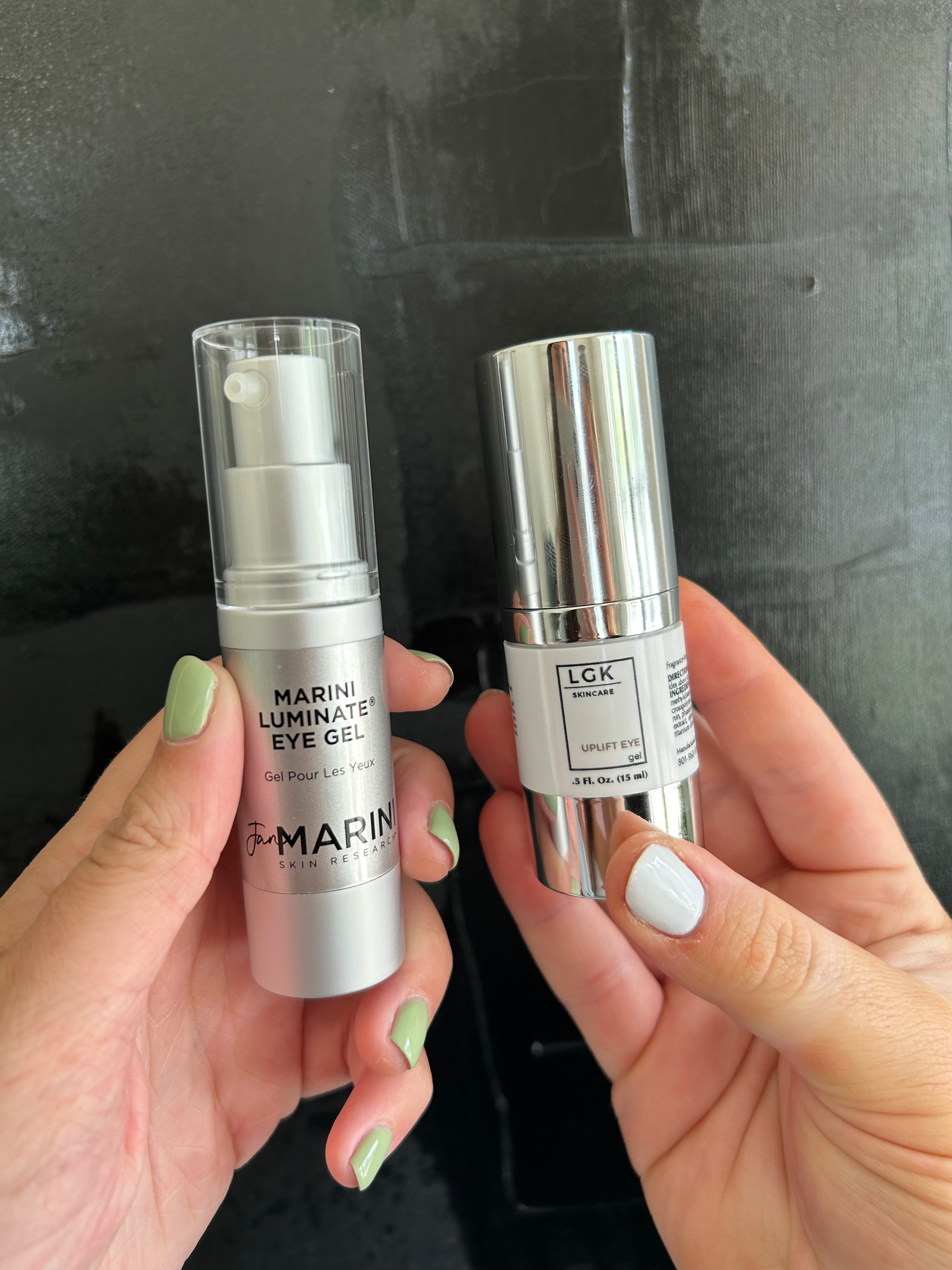
Airless Pump Troubles: Why Your Product Won’t Dispense and How to Fix It
Airless pumps are designed to be convenient and efficient, but sometimes they stop dispensing products—frustrating, but fixable! Before you panic, it’s helpful to understand...
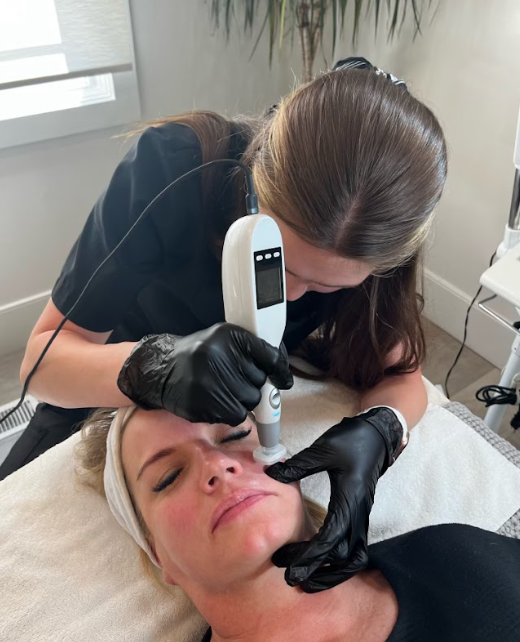
Jet Plasma
Introducing Jet Plasma, a cutting-edge handheld device harnessing the power of cold plasma for skin rejuvenation and the stimulation of collagen and fibroblasts deep within...