

Hyperpigmentation: Chemical Peels vs. IPL | Which Treatment Is Right for Your Skin?

Uneven skin tone, sun spots, and lingering dark marks are some of the most common skin concerns we see. While several treatments can improve the appearance of hyperpigmentation, choosing the right approach starts with understanding what is causing the discoloration and how deeply the pigment sits within the skin.
At Fluent, we believe effective pigment correction involves more than treating visible spots. It requires a personalized approach that considers skin health, the type of pigmentation present, professional treatments, and consistent home care.
Two treatments often used to address discoloration are chemical peels and IPL (Intense Pulsed Light). Although both can improve the appearance of uneven skin tone, they work differently. In the right treatment plan, they may also complement one another to address pigmentation more comprehensively.
What Is Hyperpigmentation?
Hyperpigmentation occurs when excess melanin, the pigment responsible for skin color, creates darker areas or patches. It can develop for several reasons, and identifying the cause is an important first step in selecting an appropriate treatment.
Common types include:
- Sun spots and age spots: Areas of discoloration that develop over time from cumulative sun exposure.
- Post-inflammatory hyperpigmentation (PIH): Dark marks left behind after inflammation or injury, including acne, irritation, or certain skin treatments.
- Melasma: Larger patches of discoloration often influenced by hormones, sunlight, and heat.
Although these concerns may look similar, they do not always respond to the same treatments. For example, IPL may be appropriate for selected sun spots, while melasma and post-inflammatory hyperpigmentation require additional caution because heat or treatment-related irritation can make discoloration worse. A professional assessment helps determine which approach is appropriate for your skin.
Chemical Peels: Refining the Skin and Improving Uneven Tone
Chemical peels use carefully selected acids to exfoliate the skin and encourage cellular turnover. Depending on the formulation and depth, a peel can help improve the appearance of superficial discoloration, uneven texture, dullness, and certain acne-related marks.
By helping remove pigmented cells near the skin’s surface, chemical peels can support a more even-looking complexion while addressing other concerns that may contribute to an uneven skin appearance.
Potential benefits of chemical peels include:
- Improving the appearance of superficial hyperpigmentation
- Supporting more even-looking skin tone
- Refining rough or uneven texture
- Improving the appearance of certain post-acne marks
- Promoting a smoother, more refreshed complexion
The strength and type of peel should be selected according to your skin’s condition, sensitivity, history of pigmentation, and treatment goals. Some peels cause temporary redness, dryness, tightness, or flaking, while deeper treatments may involve more downtime.
It is also important to understand that more aggressive exfoliation does not automatically produce better results. Excessive irritation can contribute to post-inflammatory hyperpigmentation, particularly in skin that is prone to discoloration. The goal is to improve the skin without compromising its health or barrier.
IPL: Targeting Selected Pigmentation With Light
IPL uses controlled pulses of broad-spectrum light to target specific concerns within the skin. For appropriate candidates, the light energy is absorbed by melanin in selected pigmented areas, helping improve the appearance of sun damage and certain brown spots.
Following treatment, targeted spots may temporarily appear darker before gradually flaking or fading. A series of treatments may be recommended depending on the amount of sun damage, the type of pigment, and your desired results.
Potential benefits of IPL include:
- Improving the appearance of selected sun spots and age spots
- Reducing the visible signs of certain types of sun damage
- Creating a more even-looking complexion
- Addressing selected superficial pigmentation without treating the entire skin surface with a chemical exfoliant
IPL is not appropriate for every skin tone or type of pigmentation. Melasma, in particular, can be aggravated by heat and inflammation, and some skin types have a higher risk of developing additional pigmentation after light-based treatments. Careful assessment and appropriate treatment settings are essential.
Chemical Peels vs. IPL: What Is the Difference?
| Chemical Peels | IPL | |
|---|---|---|
| How it works | Uses selected acids to exfoliate and encourage cellular turnover | Uses broad-spectrum light to target selected pigment |
| Primary focus | Surface-level discoloration, texture, and dullness | Selected sun spots, age spots, and visible sun damage |
| Additional benefits | Can improve the appearance of rough texture and certain acne marks | Can improve the appearance of selected signs of photodamage |
| Downtime | Varies by peel strength; may include redness, dryness, and peeling | Often involves temporary redness and darkening of treated spots |
| Treatment plan | May involve a series of peels selected for skin tolerance and goals | May involve a series of sessions depending on the concern |
| Important consideration | Excessive irritation can worsen pigmentation | Heat, sun exposure, and inappropriate treatment selection can worsen pigmentation |
Neither treatment is universally better. The right choice depends on the type of pigment, skin tone, sensitivity, medical history, and overall treatment goals.
Why Chemical Peels and IPL Can Work Well Together
For some clients, combining chemical peels and IPL as part of a carefully planned treatment series can address different aspects of hyperpigmentation.
Chemical peels and IPL do not do the same job. A peel works primarily through exfoliation and cellular turnover, helping improve superficial discoloration and refine the skin’s surface. IPL uses light energy to target selected pigmented areas associated with concerns such as sun spots and photodamage.
When appropriate, a chemical peel may be used as one part of a broader plan to improve surface texture and superficial discoloration, while IPL addresses selected pigment that remains a concern. This complementary approach can help target multiple contributing factors rather than relying on one modality alone.
How chemical peels may help prepare the skin
A professionally selected peel can help refine the skin’s surface, encourage turnover, and improve certain types of superficial discoloration. These benefits may make it a useful component of a pigment-correction plan before or between IPL sessions.
However, a chemical peel is not a required preparation step for every IPL treatment. The skin must be adequately recovered before another procedure, and performing treatments too close together or causing excessive irritation can increase the risk of unwanted pigmentation. Your provider will determine whether a peel should come before IPL, after IPL, or be performed as a separate part of your treatment plan.
Why both may be beneficial
When both treatments are suitable, they may offer complementary benefits:
- The peel addresses the skin’s surface: It can help improve superficial discoloration, texture, and the appearance of certain acne marks.
- IPL targets selected pigmented areas: It can help reduce the appearance of sun spots and other appropriate forms of superficial pigment.
- A personalized series addresses multiple concerns: Rather than expecting one treatment to correct every type of discoloration, your provider can select treatments based on how your skin responds and what it needs.
Not every client needs both treatments, and combining procedures is not automatically more effective or safer. The sequence, spacing, and intensity matter. For melasma, a history of post-inflammatory hyperpigmentation, or skin that is prone to irritation, a more conservative approach may be necessary.
Sunscreen After IPL: Essential for Protecting Your Results
Sun protection is a critical part of any pigmentation treatment plan, but it is especially important after IPL.
Following IPL, the skin needs time to recover. UV exposure can stimulate additional melanin production, potentially darkening existing spots or contributing to new discoloration. Heat can also trigger or aggravate conditions such as melasma in susceptible individuals.
Without consistent sun protection, pigmentation can return or become more noticeable—even after professional treatments. IPL is not a substitute for daily sun care, and treatment results depend in part on how well you protect your skin between sessions.
We recommend following your provider’s post-treatment instructions and incorporating these habits into your routine:
- Use a broad-spectrum SPF 30 or higher every day. Follow your provider’s instructions about when to resume sunscreen after treatment.
- Reapply sunscreen at least every two hours when outdoors, and after swimming or sweating.
- Limit direct sun exposure and use shade, protective clothing, and a wide-brimmed hat when possible.
- Be mindful of heat triggers, especially if you are prone to melasma. Avoid activities that your provider advises against during recovery, such as intense heat exposure.
- Consider a tinted sunscreen containing iron oxides if you are managing melasma or persistent discoloration, as it can provide additional protection against visible light.
- Keep your skincare routine gentle during recovery. Resume exfoliating acids, retinoids, and other active products only when your provider advises it is appropriate.
Sun protection is not simply an aftercare step. It is part of maintaining the progress made through professional treatments and reducing the risk of recurring pigmentation.
Which Treatment Is Right for Your Pigmentation?
Different concerns call for different approaches.
Sun spots and age spots: IPL may be an option for selected sun-related pigmentation. Chemical peels may also be useful for superficial discoloration and overall skin refinement.
Post-acne marks: Chemical peels may help improve selected superficial marks, but the priority is also controlling the inflammation that causes new marks. IPL is not the right choice for every type of post-acne pigmentation.
Melasma: This condition requires particular care. Sunlight and heat can contribute to flare-ups, and irritation from procedures may worsen discoloration. A treatment plan may emphasize sun protection, appropriate skincare, and carefully selected professional treatments. IPL should not be assumed to be the best first choice.
Multiple concerns: If you are experiencing sun damage, uneven texture, and superficial pigmentation together, a combination approach may be worth discussing with your provider. The plan should be individualized rather than based on a standard sequence of treatments.
Your At-Home Routine Matters, Too
Professional treatments are only one part of managing hyperpigmentation. A consistent home-care routine helps support the skin, maintain results, and reduce the likelihood of new discoloration.
Depending on your skin and treatment plan, your provider may recommend ingredients such as vitamin C, retinoids, or azelaic acid. These products can serve different purposes, and not every active ingredient is appropriate immediately before or after a procedure.
Avoid introducing multiple active products at once, especially when your skin is recovering. Irritation can make pigmentation more difficult to manage, so your routine should support your skin rather than overwhelm it.
Daily sun protection, appropriate skincare, and consistent follow-up are essential parts of a long-term approach to more even-looking skin.
A Personalized Approach to Pigment Correction at Fluent
There is no single treatment that works for every type of hyperpigmentation. Chemical peels and IPL can both be valuable options, and in selected cases, they may complement one another. The key is identifying the type of pigment, selecting appropriate treatments, and allowing the skin enough time to recover between procedures.
At Fluent, our goal is to help you make informed decisions about your skin with a treatment plan tailored to your concerns, skin tolerance, and long-term goals.
If uneven tone, sun spots, or lingering dark marks are concerns for you, schedule a consultation with our team to discuss which options may be appropriate for your skin.
Healthy-looking, even-toned skin starts with the right plan, and protecting your results is just as important as treating the pigment itself.
This article is for educational purposes only and is not a substitute for medical advice, diagnosis, or treatment. New, changing, or unusual pigmented lesions should be evaluated by a qualified medical professional.
SHOP ANTI-AGING ROUTINES




Other articles

Hyperpigmentation: Chemical Peels vs. IPL | Which Treatment Is Right for Your Skin?
Uneven skin tone, sun spots, and lingering dark marks are some of the most common skin concerns we see. While several treatments can improve the...

Teen Acne: What to Do (and What Not to Do)
Teen Acne: What to Do (and What Not to Do) If you're dealing with acne, you're not alone. Nearly every teenager experiences breakouts at some point, and...

Are Skin Rejuvenation Results Permanent? What to Realistically Expect
These technologies work by encouraging the skin to produce new, healthy One of the most common questions we hear at Fluent Skin is:“How long will...

Let’s Talk “Dupes” And Why Skin Care Isn’t One of Them
If we had a dollar for every time we were asked, “Do you have a dupe for this?” or “Can I find this cheaper somewhere else?”—we’d...
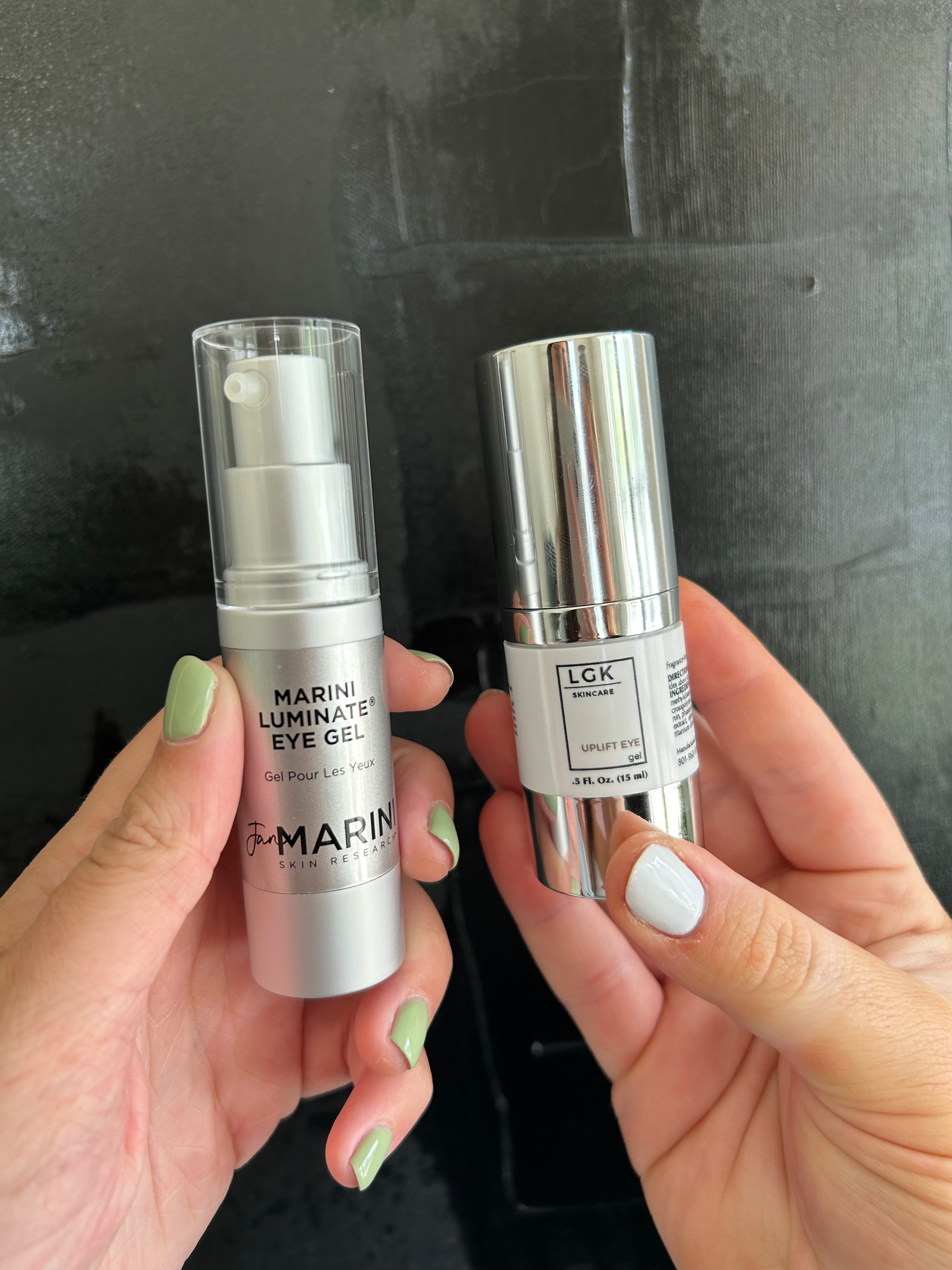
Airless Pump Troubles: Why Your Product Won’t Dispense and How to Fix It
Airless pumps are designed to be convenient and efficient, but sometimes they stop dispensing products—frustrating, but fixable! Before you panic, it’s helpful to understand...
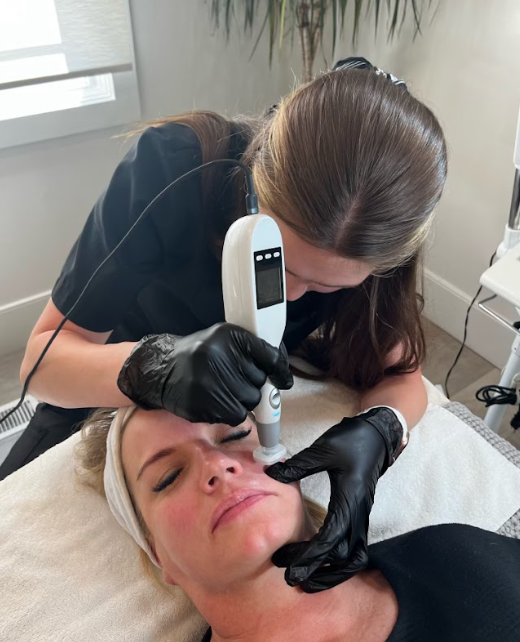
Jet Plasma
Introducing Jet Plasma, a cutting-edge handheld device harnessing the power of cold plasma for skin rejuvenation and the stimulation of collagen and fibroblasts deep within...